Enhancing the lifecycle
of our products
Sustainable solutions
Giving waste a second life, that is how it all started for Ravago. When our founder Raf Van Gorp saw the potential of discarded products, he pioneered in recycling. As a leading polymer recycler, we continue to push the boundaries in recycling technologies and applications, and effectively help our customers with their sustainability efforts by offering other sustainable solutions.
As our company grows, so does the depth and ambition of our sustainable solutions. Alongside recycled and bio‑based polymers, we support our customers with intelligent design thinking that promotes circularity and lower‑impact products. We are extending this commitment across our broader portfolio—strengthening quality excellence in chemicals and life ingredients and advancing new opportunities in food‑surplus recycling to reduce waste across food value chains.
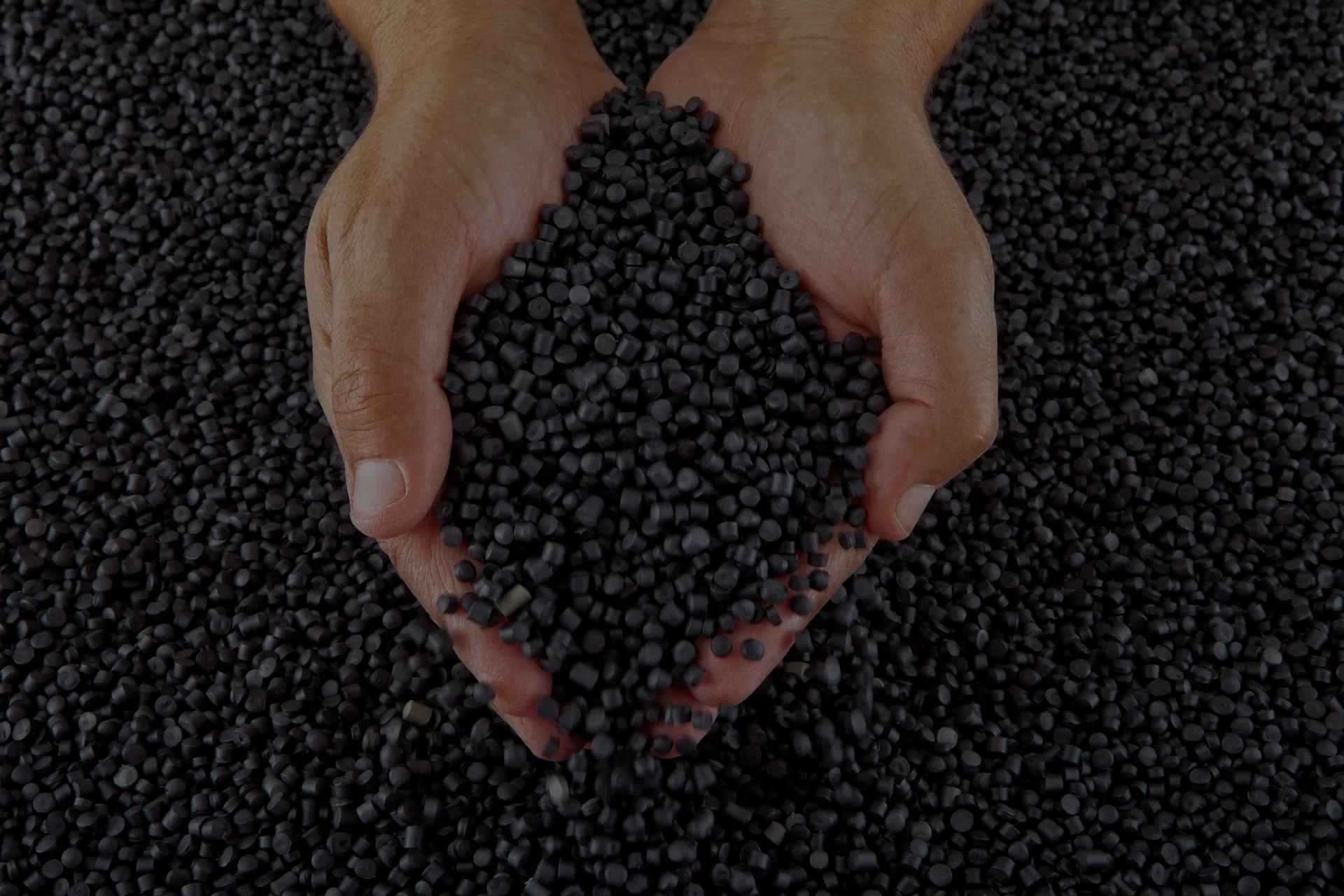
Polymer excellence
We support the transition to a circular & low carbon economy by offering recycled & innovative polymers with significantly lower carbon footprints, compared to virgin plastic made from fossil fuels alternatives, and by supporting our customers in design for recycling and by implementing innovative solutions to close the loop on plastic waste.
Quality excellence
Our contribution to sustainable living includes the distribution of safe, ethically-sourced chemicals and life ingredients, along with forward-looking solutions for food and water recycling.
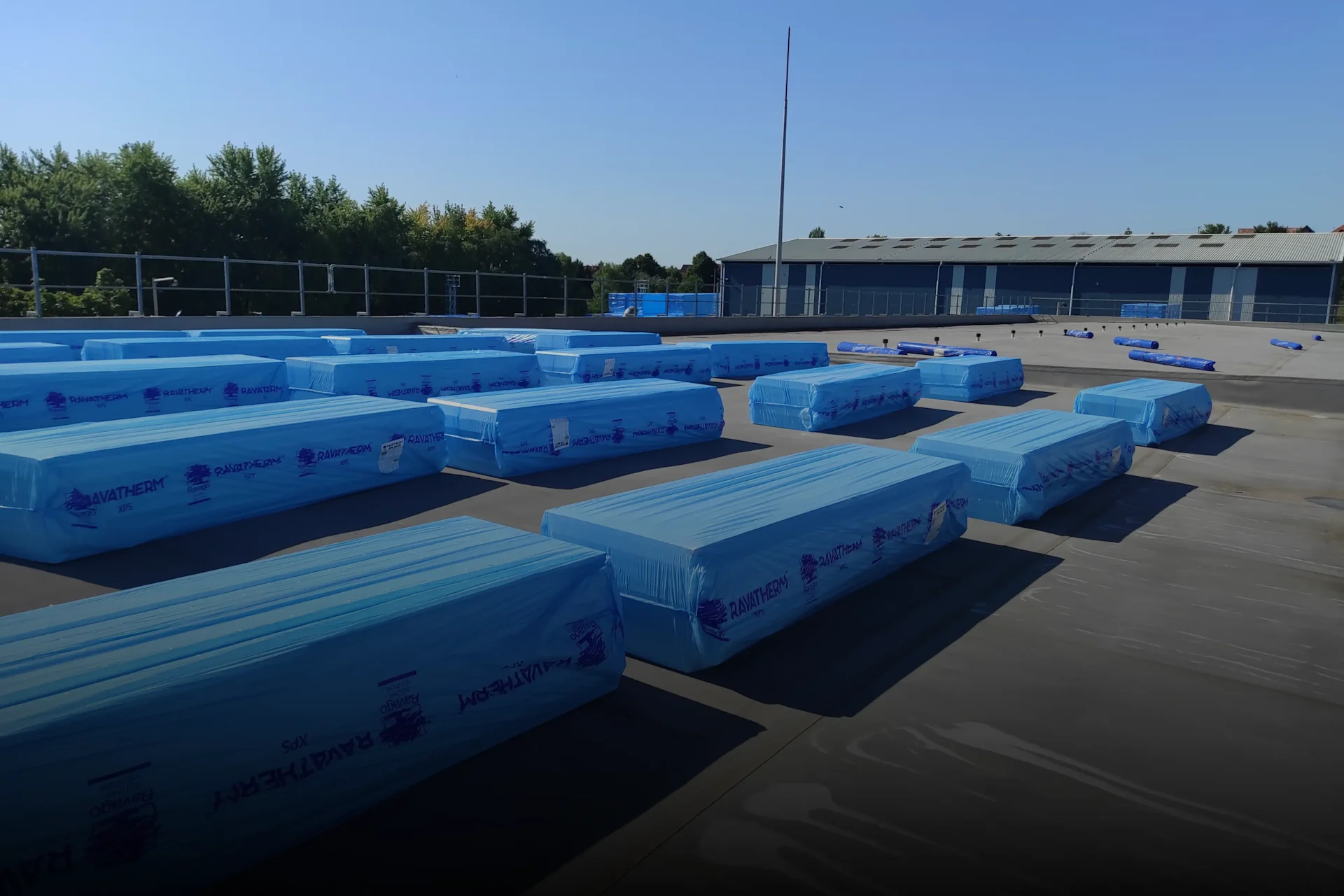
Innovative solutions
Our materials empower the construction industry to reduce its carbon footprint through durable, energy-efficient, and sustainable product options tailored to actual and future climate mitigation as well as climate adaptation challenges.
Blue Polymers
Our post-consumer certified volumes are growing year over year. To meet our PCR production targets, we are making significant investments, both in organic growth and through acquisitions.
One example: in the US we have set up a joint venture Blue Polymers to build PCR recycling sites. This game-changing innovation, supported by strategic investments from Republic Services and Ravago, is pivotal in advancing the circular economy of plastics. With an annual capacity of over 75 million pounds (35k metric ton) of PCR resin per plant, these facilities will process postconsumer rHDPE and rPP plastics, offering both foodgrade and non-food-grade materials, in natural or other color-sorted qualities. Additionally, our plants will produce custom-blended and compounded materials, tailored to help our customers meet their sustainable packaging commitments. Our first state-of-the-art post-consumer recycling site opened in Q2 2025 in Indianapolis, and we are building our second plant, which is scheduled to start up in 2027.
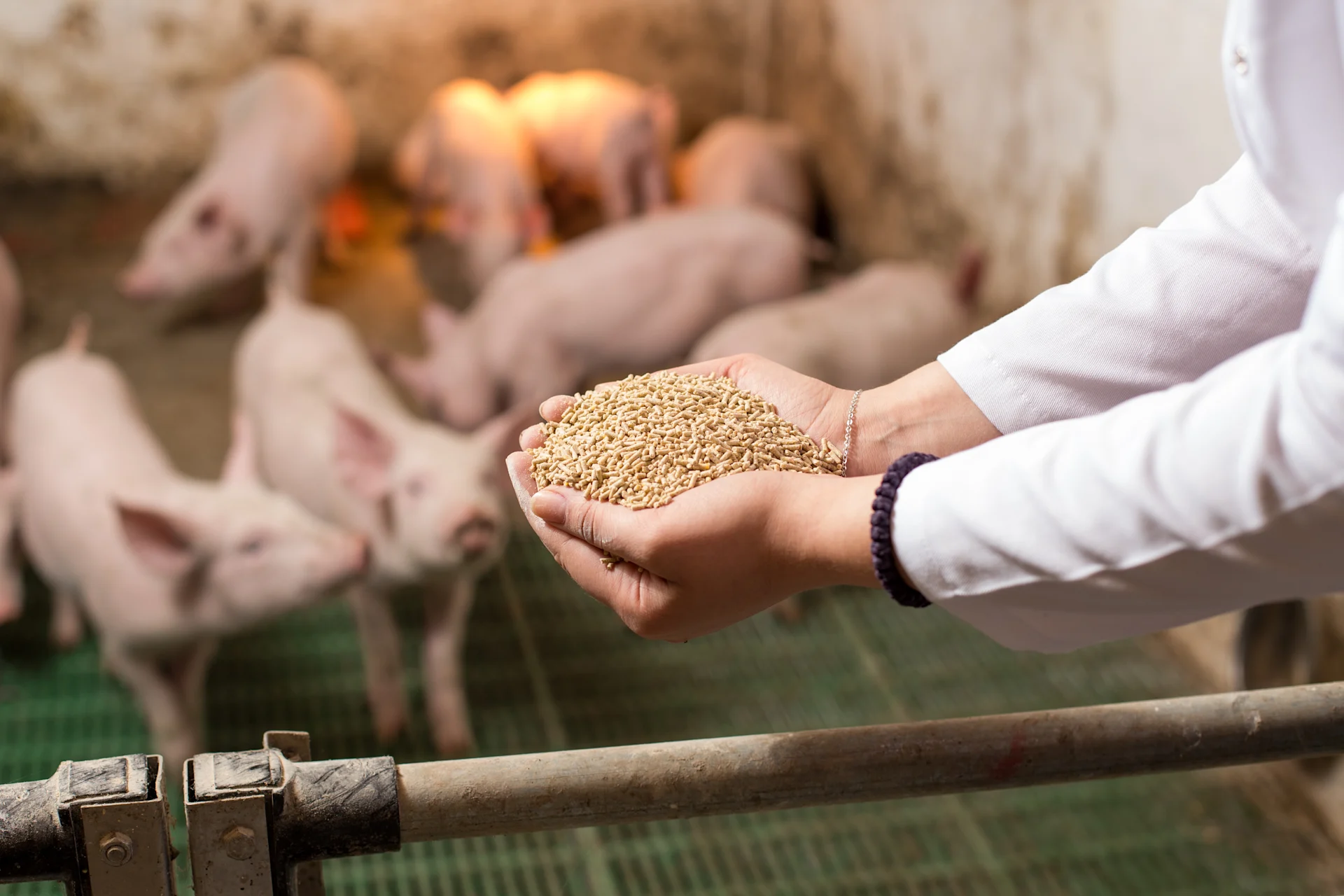
Food surplus recycling
At Promic Group, part of the Vidara Group, sustainability is built into our products by transforming by‑products and surpluses from the human nutrition industry into high‑quality raw materials for animal nutrition. This circular approach reduces waste sent to landfill or incineration—saving over 200,000 mt—and significantly lowers our customers’ carbon footprint, ensuring every product contributes to a more efficient and sustainable food system.
Our commitment to sustainability goes hand in hand with product excellence, with Promic using stable, safe, and nutritionally consistent raw materials backed by internationally recognized certifications such as ISO 9001, GMP+, and Feed Chain Alliance. This quality assurance is reinforced by a state‑of‑the‑art Quality Control Laboratory accredited by the Catalan Agri-food Laboratories Registry, where advanced technologies like NIR analysis support more than 150 daily tests to verify nutritional profiles, microbiological safety, and batch uniformity, ensuring every product meets the highest standards with full traceability and transparency across the value chain.
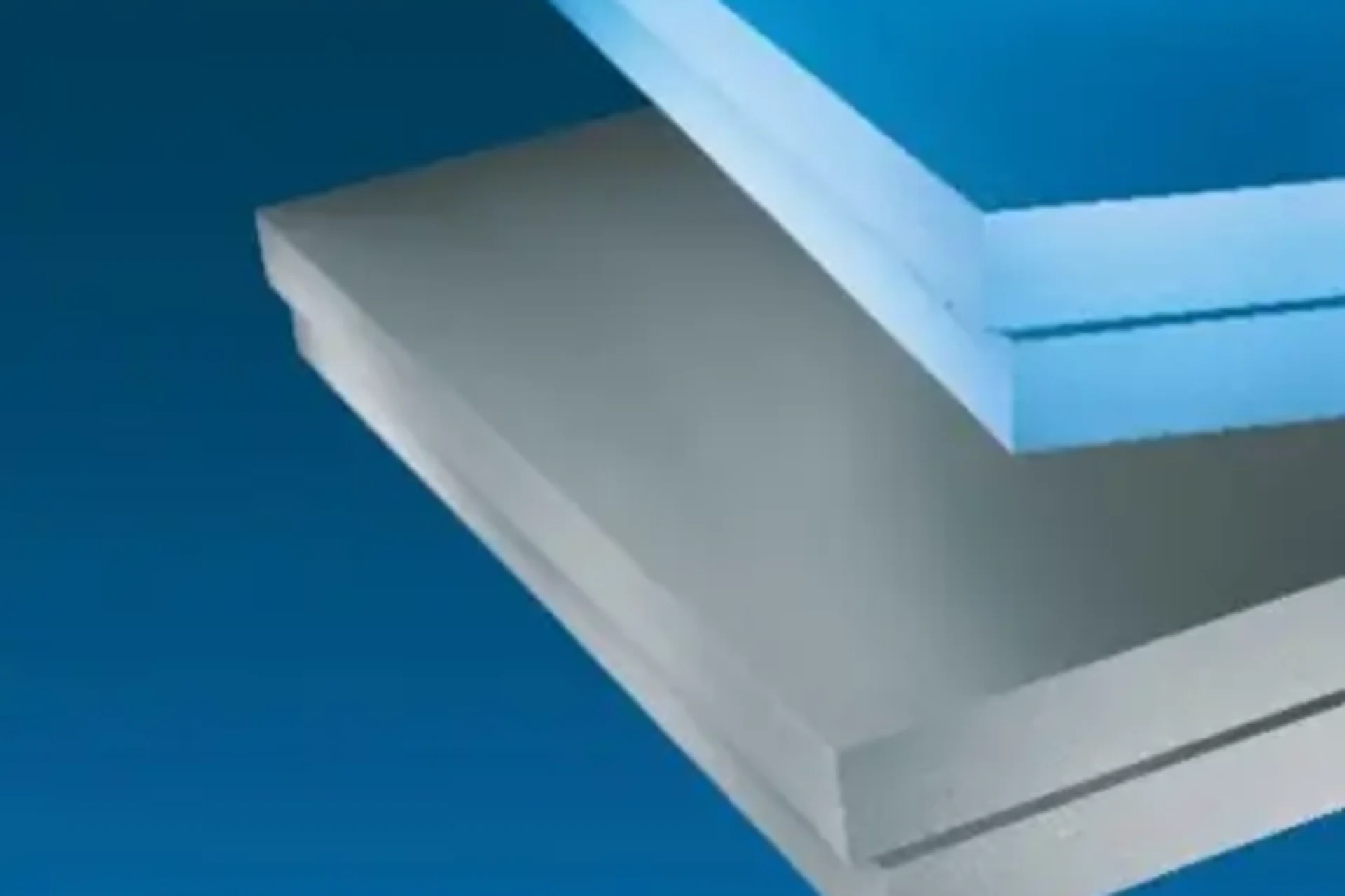
XPS
Extruded polystyrene (XPS) combines durability with strong thermal performance. Thanks to its resilience and compressive strength, XPS is widely used in demanding construction applications. The energy from production is typically paid back in less than a year. Across its lifetime, one ton of XPS insulation can prevent up to 150 tons of CO2 emissions by lowering building energy demand.
Ongoing process innovations are enabling higher recycled content in our XPS boards, further reducing embodied emissions while ensuring consistent quality. In construction, our own produced PS serve as feedstock for the production of our XPS boards, creating synergies across our product portfolio.
